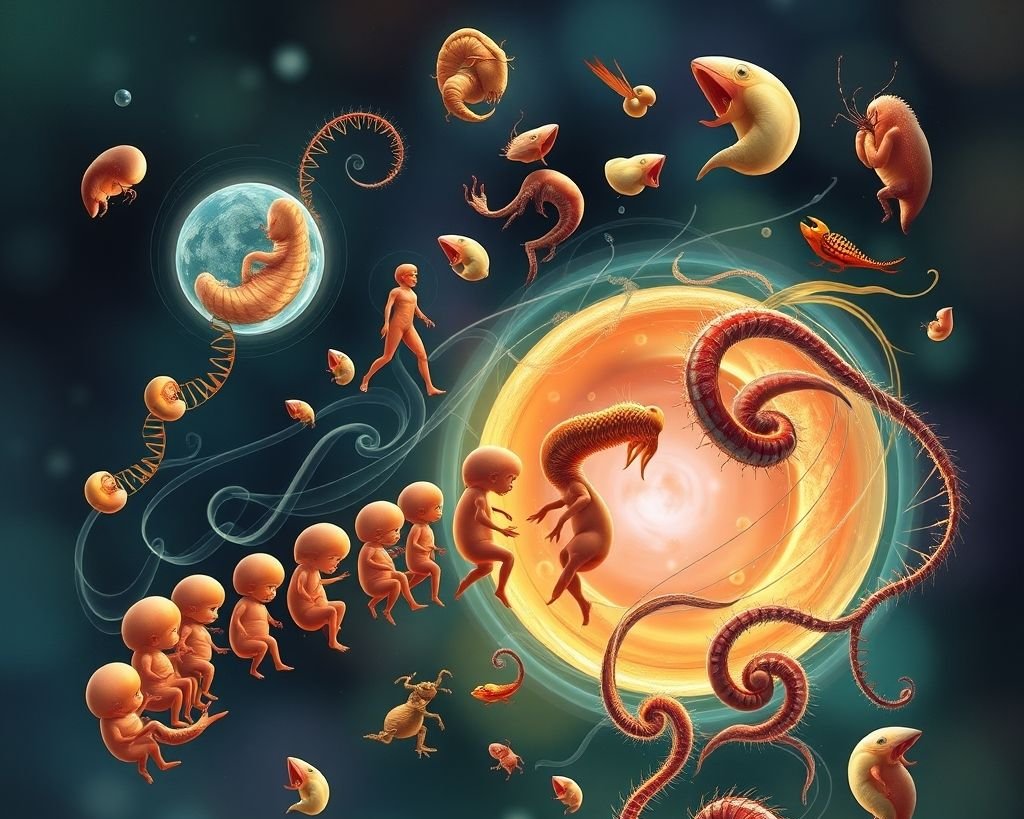
Evolutionary developmental biology (Evo-Devo)
Evolutionary developmental biology is a significant field that examines the relationships between the evolution and development of organisms. This discipline helps us understand how genetic
Evolutionary developmental biology is a significant field that examines the relationships between the evolution and development of organisms. This discipline helps us understand how genetic
The phrase “the selfish gene” is a key concept in Richard Dawkins’s theory of evolution. With this term, Dawkins explains how genes play a role
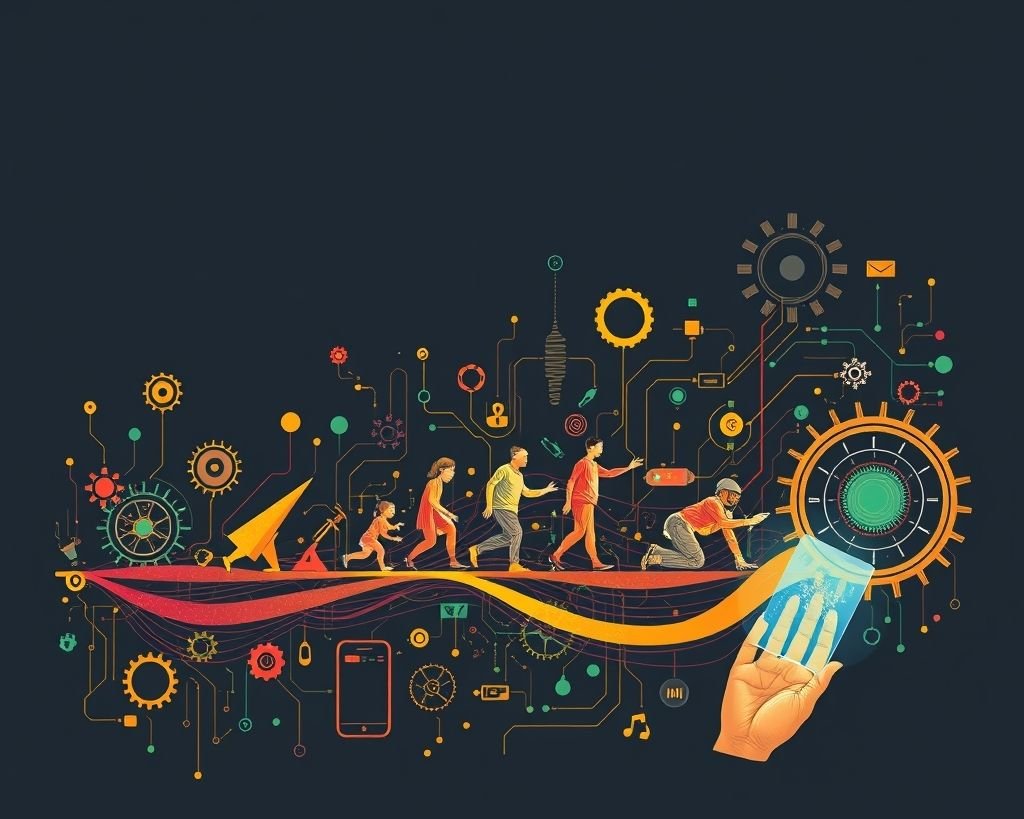
Technological evolution is a phenomenon we encounter in every aspect of our lives today. This process progresses in parallel with human development and is constantly
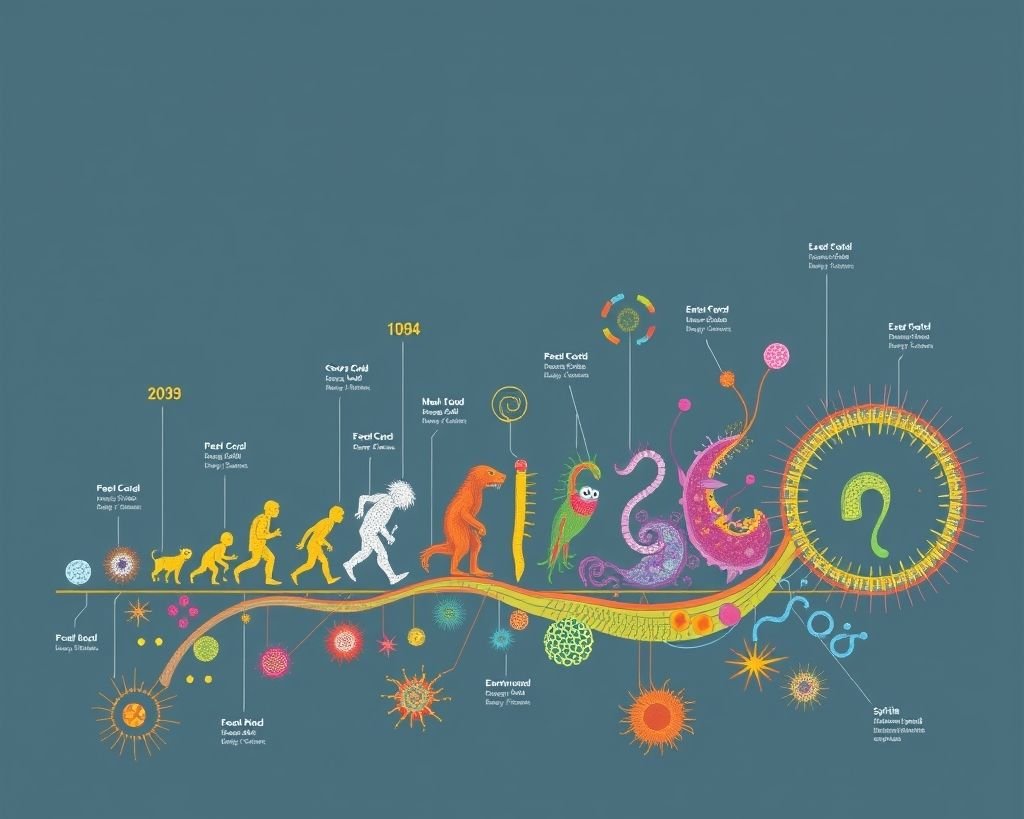
The question of how bacteria evolve offers important insights into the life cycle and adaptability of microorganisms. Bacteria evolve through their ability to rapidly adapt
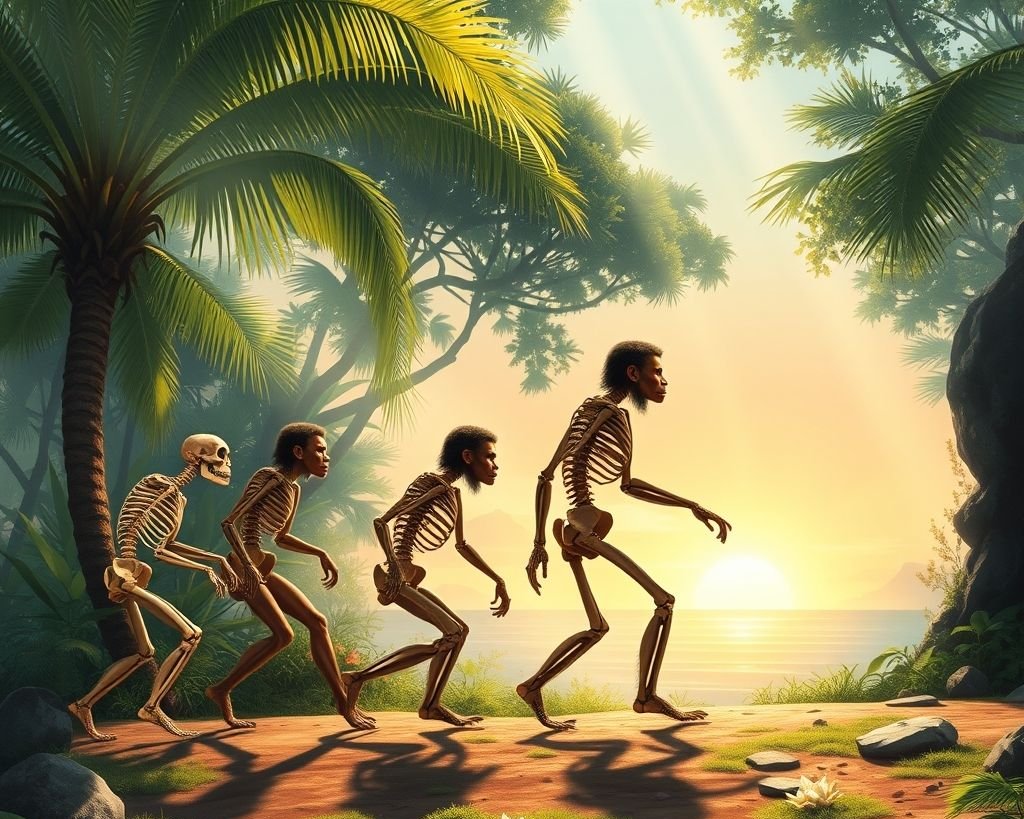
The evolutionary advantages of bipedalism played a significant role in the development of humans and other bipedal organisms. Standing on two legs increased adaptability to
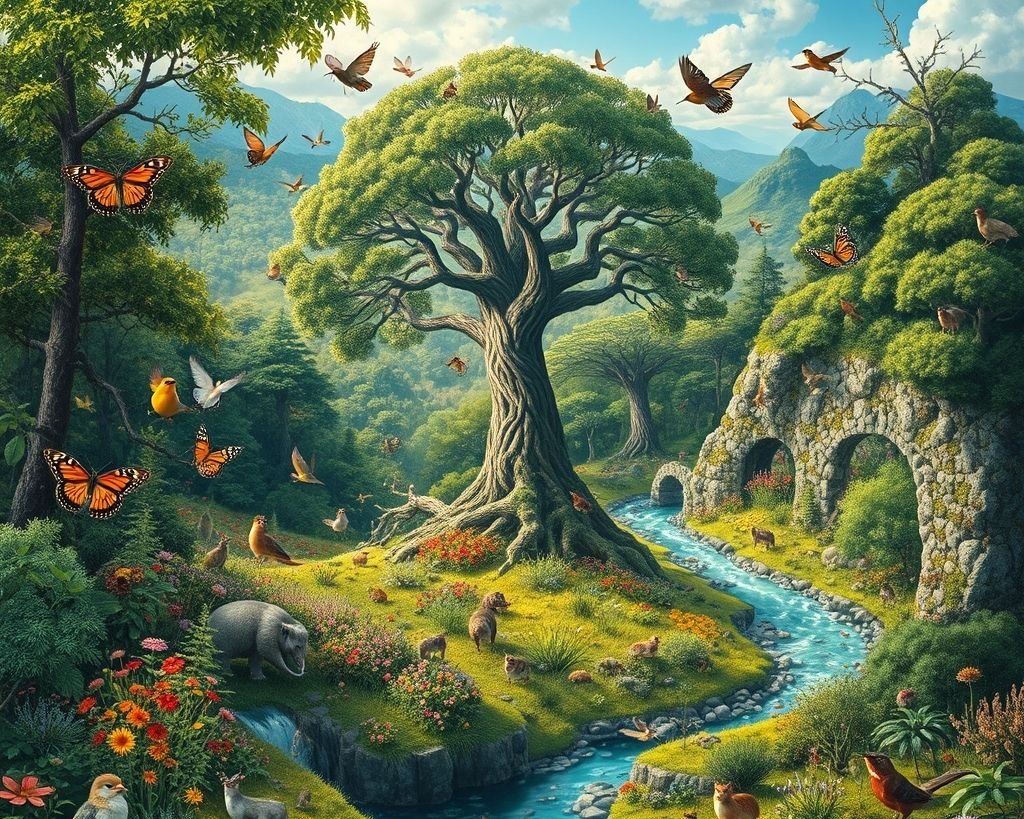
Ecology and evolutionary dynamics are critical to understanding how nature works. By examining the interactions of organisms with each other and their environments, these two
The Blind Watchmaker is an essential work for understanding Richard Dawkins’s thoughts and arguments. This book offers an insightful look at evolutionary biology and atheism,
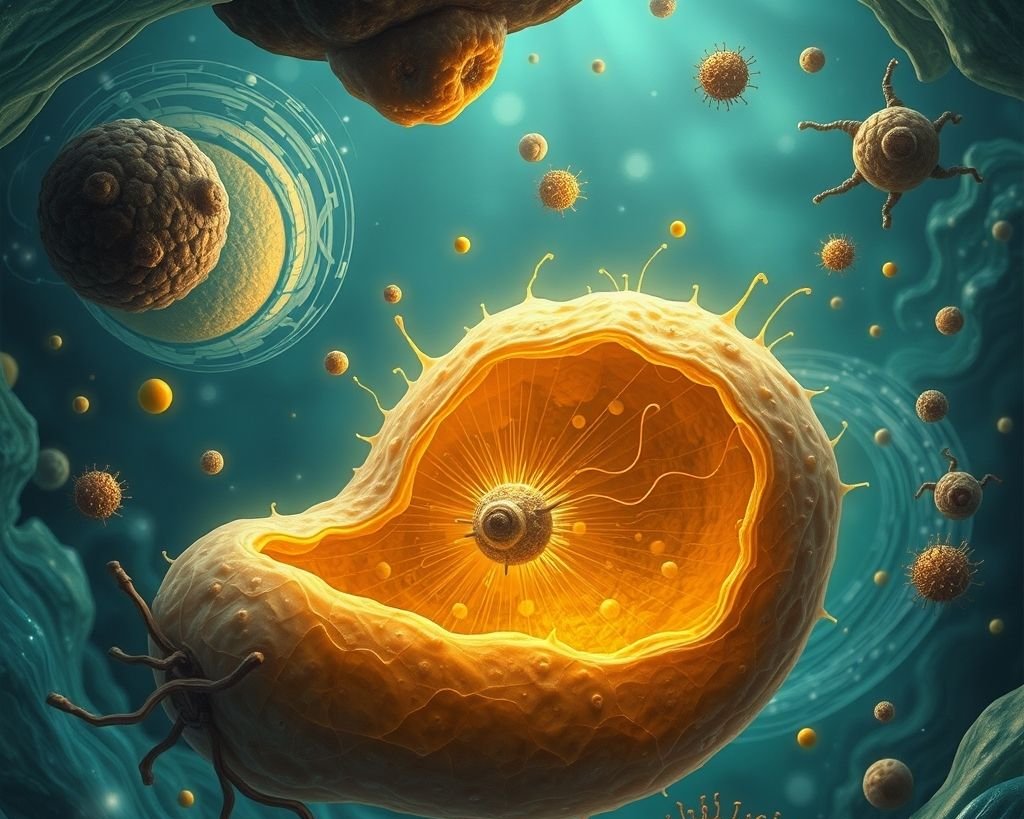
The theory of endosymbiosis offers important insights into the evolution of cells and the origin of mitochondria. It proposes that certain organelles, particularly mitochondria, formed
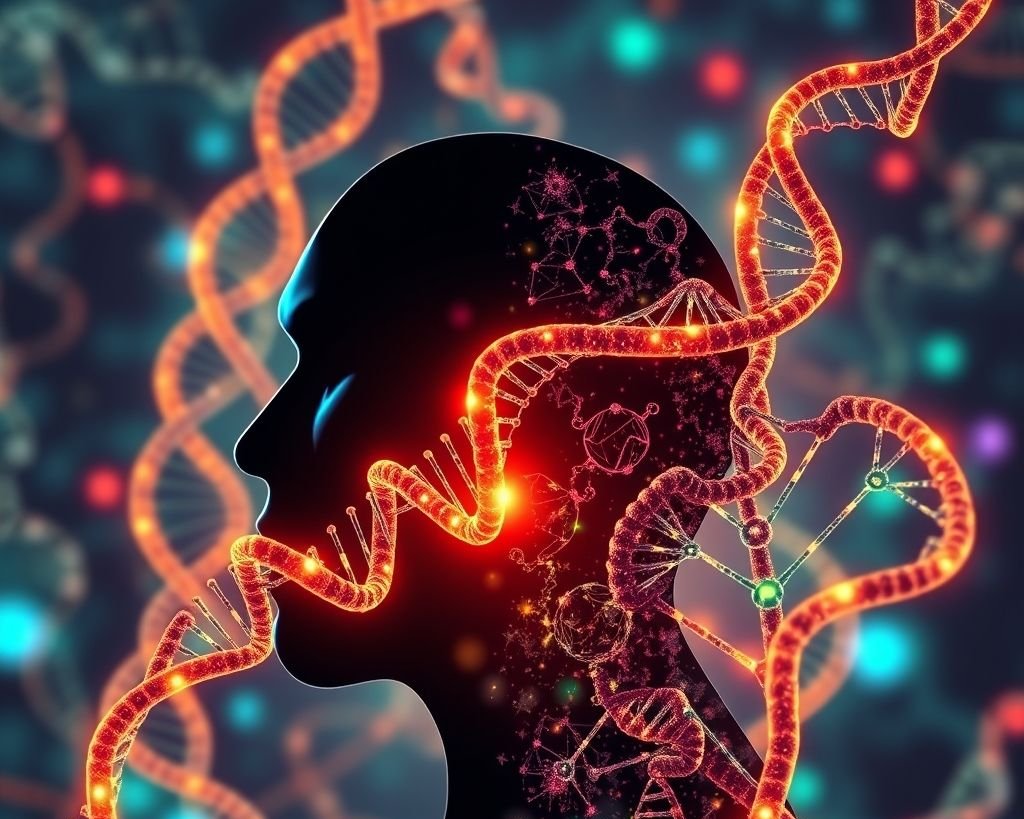
The genetic similarities between humans and chimpanzees are a topic of considerable scientific interest. The DNA between humans and chimpanzees is 98% similar. This similarity
The reflection of evolution on art and literature is a critical issue for understanding how art and literature have been influenced throughout human development. Evolution
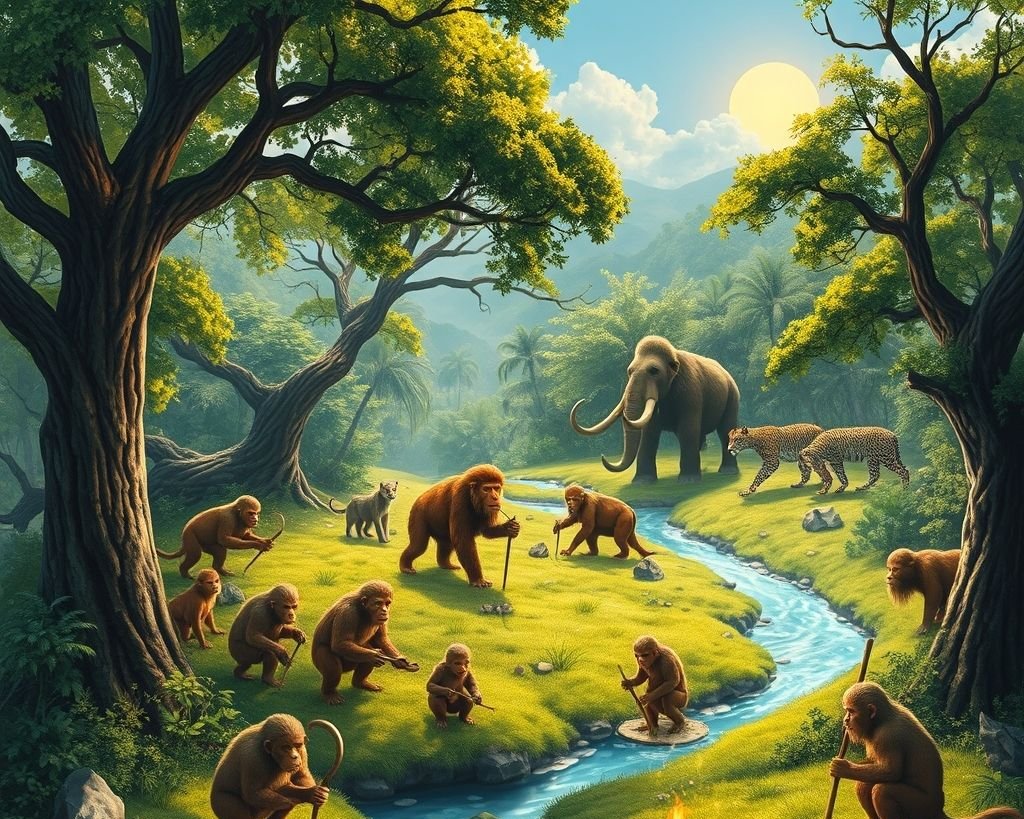
Human primitive ancestors hold a significant place in the evolutionary history of Homo sapiens. These ancestors were the first human species to emerge in Africa
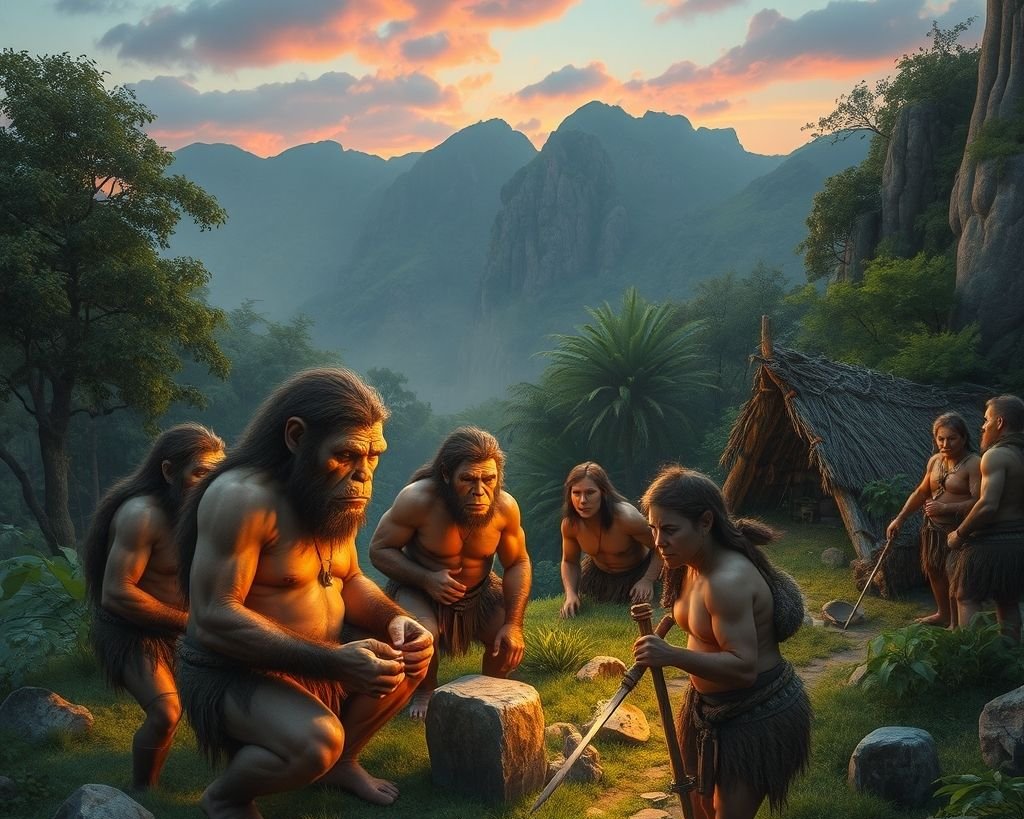
The relationship between Neanderthals and modern humans is one of the most intriguing questions in human evolution. Neanderthals emerged approximately 400,000 years ago and disappeared
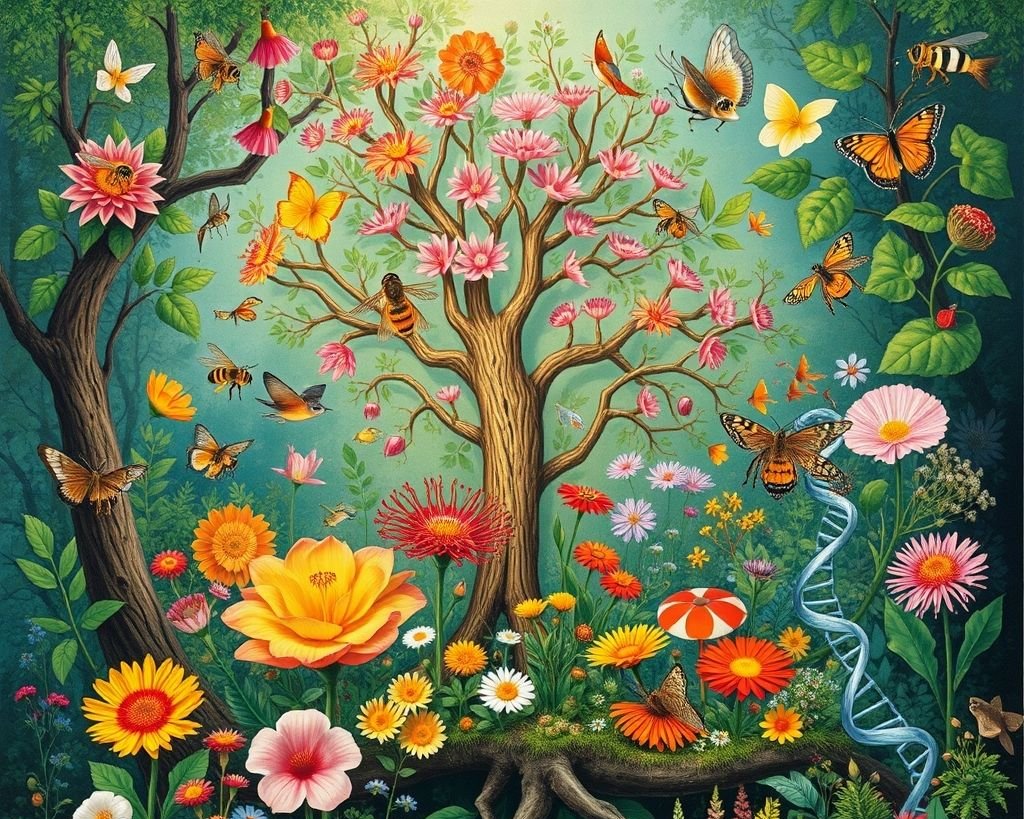
Symbiosis describes the mutually beneficial relationships that different species form in nature. Such relationships play a crucial role in evolution and increase the species’ chances
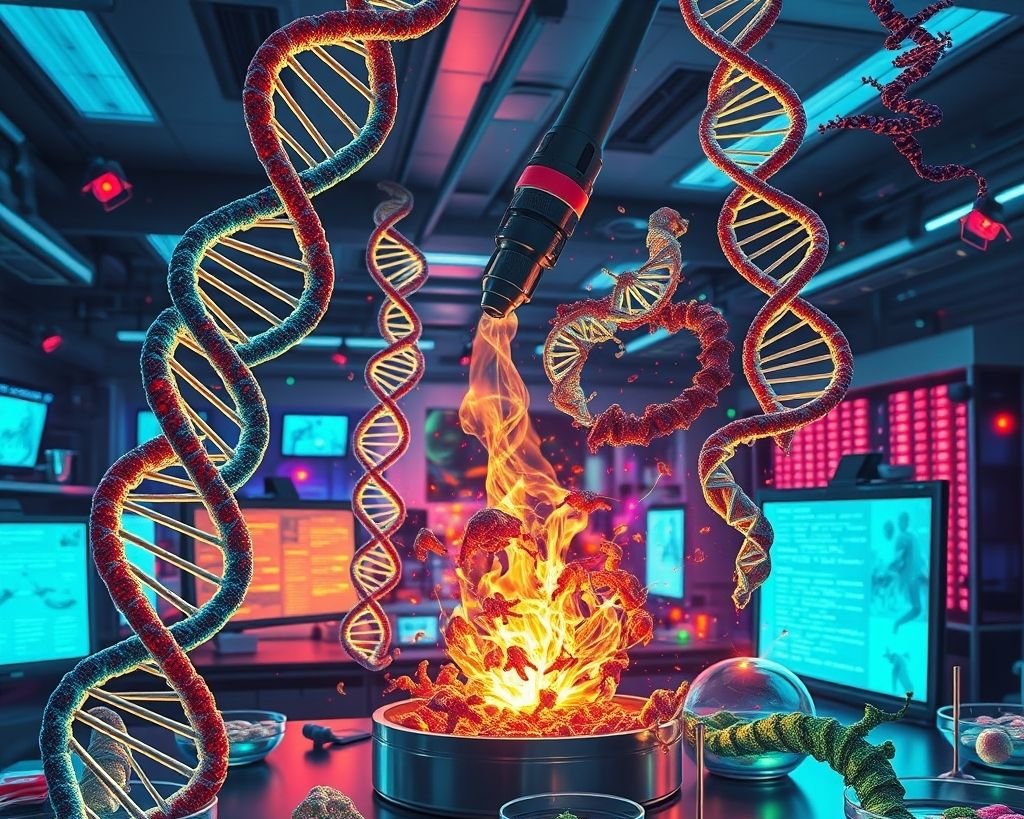
The question of whether genetic engineering can accelerate evolution is a highly controversial topic in the scientific community. Genetic engineering, through its ability to alter
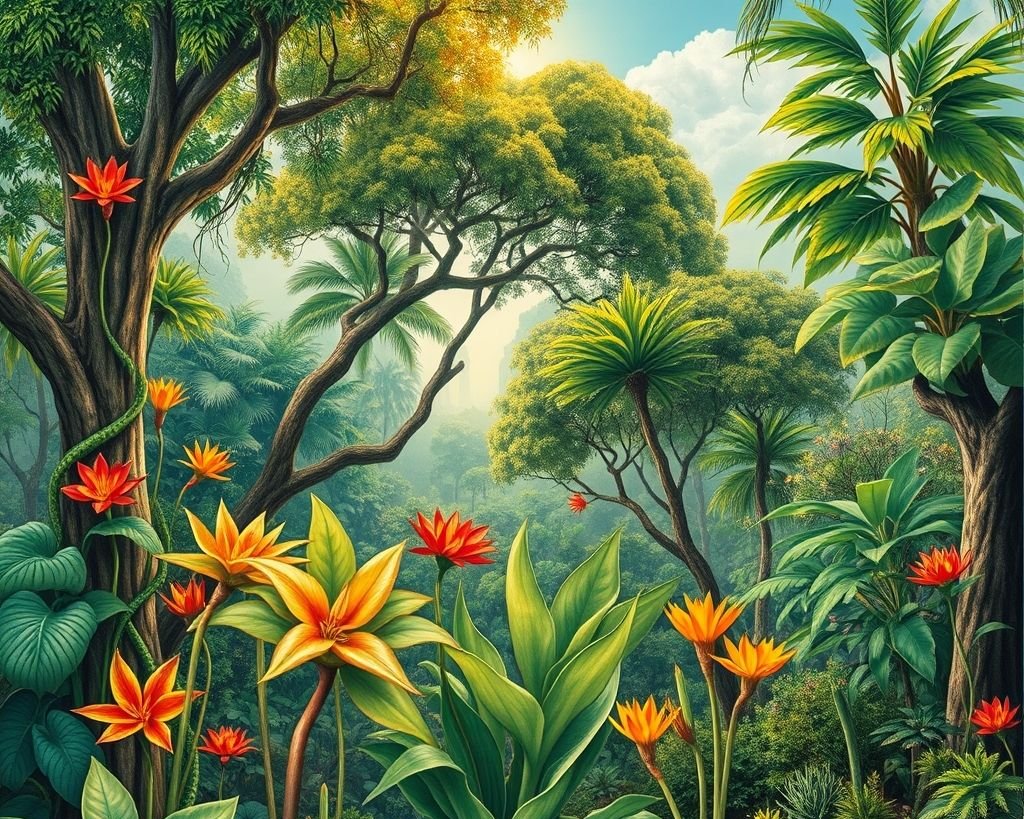
Plant evolution is an important topic that helps us understand how plants change over time and adapt to their environments. Plants have survived by developing
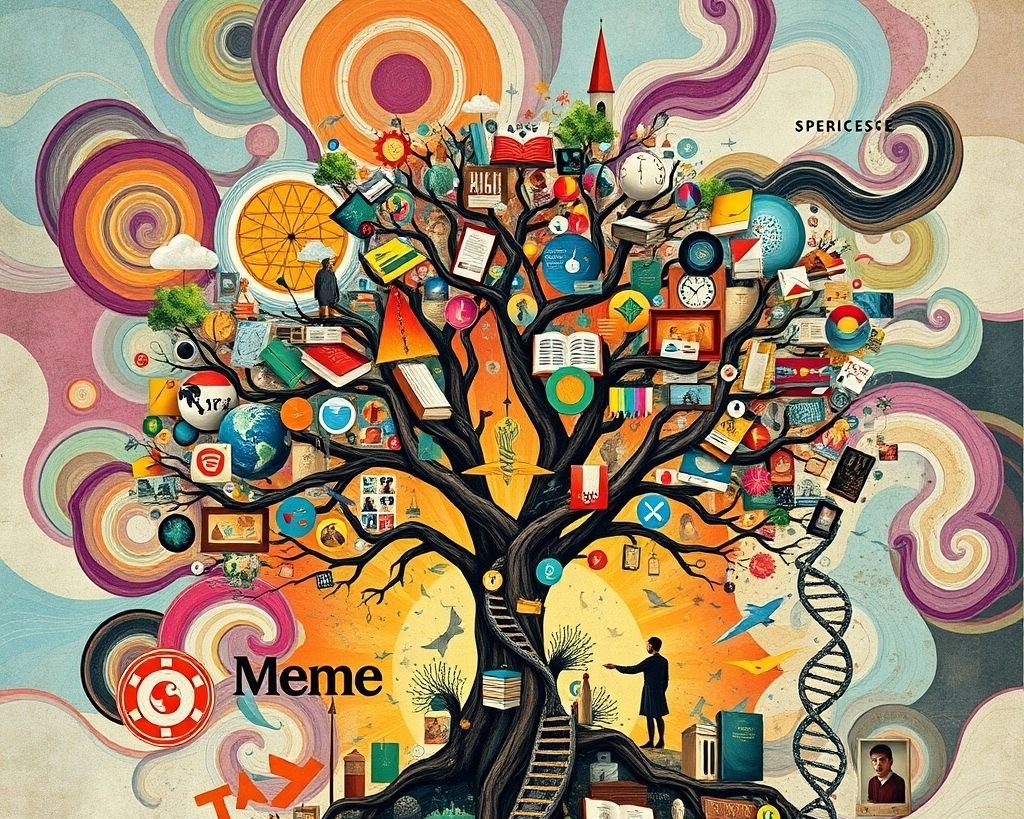
Memetics is a concept that helps us understand how ideas spread and evolve. Considering how ideas spread as cultural units and how they change over
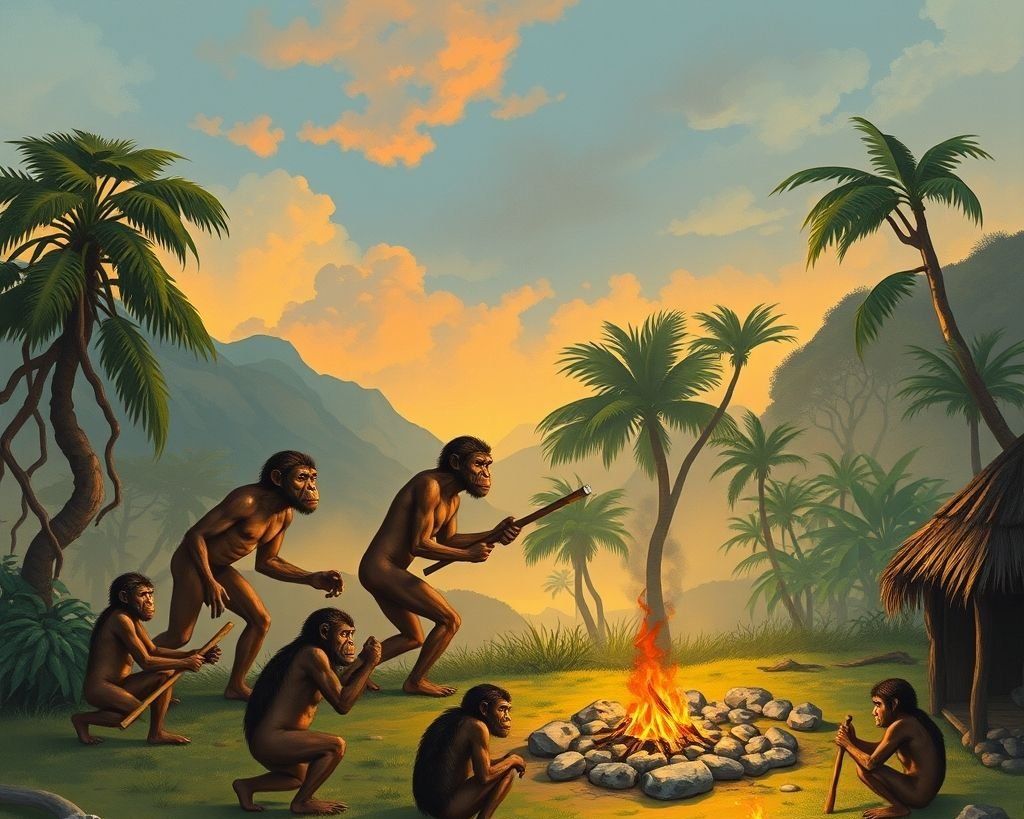
The human evolutionary process is critical to understanding the emergence of Homo sapiens. This process is the culmination of millions of years of evolutionary change

Cultural evolution is a critical concept for understanding how human societies change and develop over time. This evolution is shaped by elements such as language,