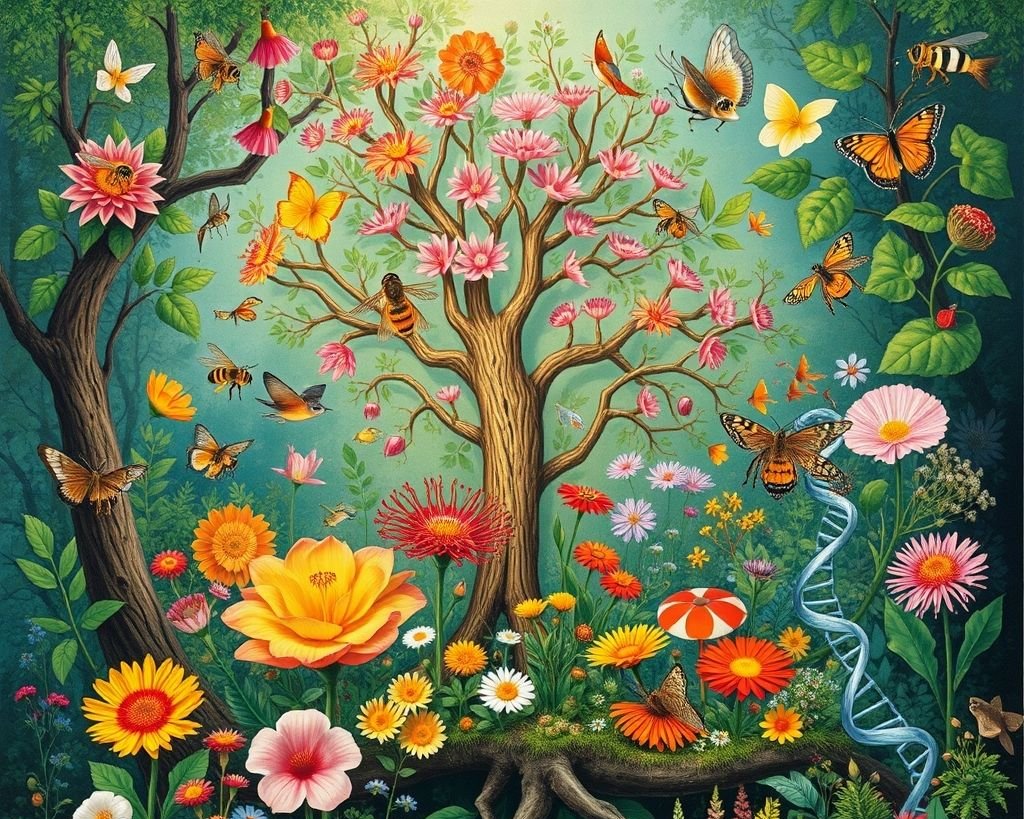
Symbiosis describes the mutually beneficial relationships that different species form in nature. Such relationships play a crucial role in evolution and increase the species’ chances of survival. For example, the symbiotic relationships between some plants and insects provide food and protection for both partners.
In this article, we’ll explore the implications of symbiosis for evolutionary cooperation. Nature offers many different examples of symbiotic relationships, and understanding how these relationships develop will help us better grasp the complexity and diversity of ecosystems. Let’s delve deeper into this fascinating topic and gain new insights into how nature works!
What is the Definition and Importance of Symbiosis?
Symbiosis refers to the coexistence of two or more different species for mutual benefit. This interaction is a common phenomenon in nature and plays a crucial role in maintaining the balance of ecosystems. Symbiosis enables the sharing of resources, such as food and shelter , between species , increasing the chances of survival for both. Therefore, the definition and importance of symbiosis is critical for the conservation of biodiversity.
What is Evolutionary Cooperation and How Does It Work?
Evolutionary cooperation is a concept that explains how mutually beneficial relationships between species develop over evolution. In this process, cooperating species can increase their survival and reproductive success. Cooperation typically works as follows:
- Mutually beneficial behaviors are exhibited.
- Success positively impacts the evolutionary adaptations of species.
- Such interactions support the overall health of ecosystems.
Examples and Types of Symbiosis in Nature
Symbiosis is a natural relationship in which different species cooperate with each other to ensure their survival. These relationships vary depending on the type of symbiosis . For example, some species benefit each other by providing food, while others benefit by providing shelter. The most common examples of symbiosis in nature are mycorrhizal relationships between plants and fungi and digestive symbioses between animals and bacteria. Below is a table showing the types and examples of symbiosis in nature:
| Type | Explanation |
|---|---|
| Mutualism | A relationship in which both species benefit. |
| Parasitism | A relationship in which one species harms another. |
| Commensalism | A relationship in which one species benefits from the other without harming the other. |
Effects of Symbiosis on the Ecosystem
Symbiosis plays a critical role in the balance and health of ecosystems . These relationships support ecosystem diversity by increasing species interactions. Specifically , symbiosis increases the complexity of food chains and strengthens interactions between species. Its effects on ecosystems include more efficient use of natural resources and increased adaptability of species. Below are some points that list the effects of symbiosis on ecosystems:
- Increases species diversity.
- It strengthens food chains.
- Improves ecosystem services.
Effective Information
Symbiosis is a form of relationship in which different species interact for mutual benefit. Such relationships can have a significant impact on species evolution. Understanding symbiosis and evolutionary cooperation is critical to understanding the complex balance of nature.
Particularly within ecosystems , symbiotic relationships can enhance the survival and adaptability of species, contributing to the acceleration of evolutionary processes and increased diversity.
To understand the role of symbiosis in evolution, it’s helpful to examine case studies . For example, symbiotic relationships between some plants and insects enhance the survival strategies of both species.
Furthermore, the impact of symbiosis on human societies should not be overlooked. Humans can accelerate their social and cultural evolution by cooperating with diverse communities.
Tip 1: Understand Ecosystems
Studying the symbiotic relationships of different species can help you understand the balance of ecosystems.
Tip 2: Research Case Studies
You can better understand evolutionary processes by examining examples of symbiosis between plants and animals.
Tip 3: Observe Human Cooperation
Observing how different communities evolve through cooperation makes it easier to understand social development.
- Symbiosis
- It is a mutually beneficial relationship between two or more species.
- It is a system that facilitates the survival of different organisms by interacting with each other in nature.
- It refers to the relationships that can occur between plants and animals, which benefit both parties.
- Evolutionary Cooperation
- It is the process in which different species learn to live together and gain an advantage in the evolutionary process.
- It is a strategy of species acting together to increase their chances of survival and reproduction.
- It is a process that enables organisms to optimize their interactions with each other through natural selection.
Symbiosis and evolutionary cooperation refer to mutually beneficial relationships between species in nature and the importance of these relationships in the evolutionary process.
| Feature | Definition | Examples |
|---|---|---|
| Symbiosis | A mutually beneficial relationship between two or more species. | Relationship between plants and insects. |
| Evolutionary Cooperation | The cooperative action of species to increase their chances of survival and reproduction. | Interaction between flowers and pollinators. |
| Mutualism | A symbiotic relationship where both parties benefit. | The relationship between twins and trees. |
| Parasitism | A relationship in which one party benefits while the other party is harmed. | Effects of parasites on host organisms. |
| Commensalism | A relationship in which one party benefits while the other party is unaffected. | Organisms that exploit the remains of predators' prey. |
| Ecosystem Balance | How symbiosis and cooperation maintain balance in ecosystems. | Balance achieved through the coexistence of different species. |
Did You Know? Symbiosis and evolutionary cooperation refer to complex relationships in nature where species act together to increase their chances of survival and reproduction. Such interactions maintain ecosystem stability and play a critical role in the evolutionary development of species.
*Symbiotic relationships help us understand how nature works and increase the diversity of ecosystems.*
Symbiosis refers to mutually beneficial relationships between different species, while evolutionary cooperation allows species to act together to increase their chances of survival and reproduction. These relationships play a critical role in maintaining ecosystem balance in nature.
Final Thoughts
Symbiosis and evolutionary cooperation help us understand the survival strategies of species in nature. The impacts of these relationships on ecosystems reveal how species can coexist and how natural balance is maintained. Understanding and supporting such interactions to preserve nature and biodiversity is critical to our future.
What is symbiosis?
Symbiosis is a mutually beneficial relationship between two or more species that increases the species’ chances of survival and reproduction.
Why is evolutionary cooperation important?
Evolutionary cooperation helps maintain ecosystem balance through the cooperative actions of species. Such interactions contribute to our understanding of how nature works.
What is the difference between symbiosis and evolutionary cooperation?
While symbiosis refers to a specific type of relationship, evolutionary cooperation is a broader concept. Evolutionary cooperation encompasses the processes by which entire species coexist and interact.