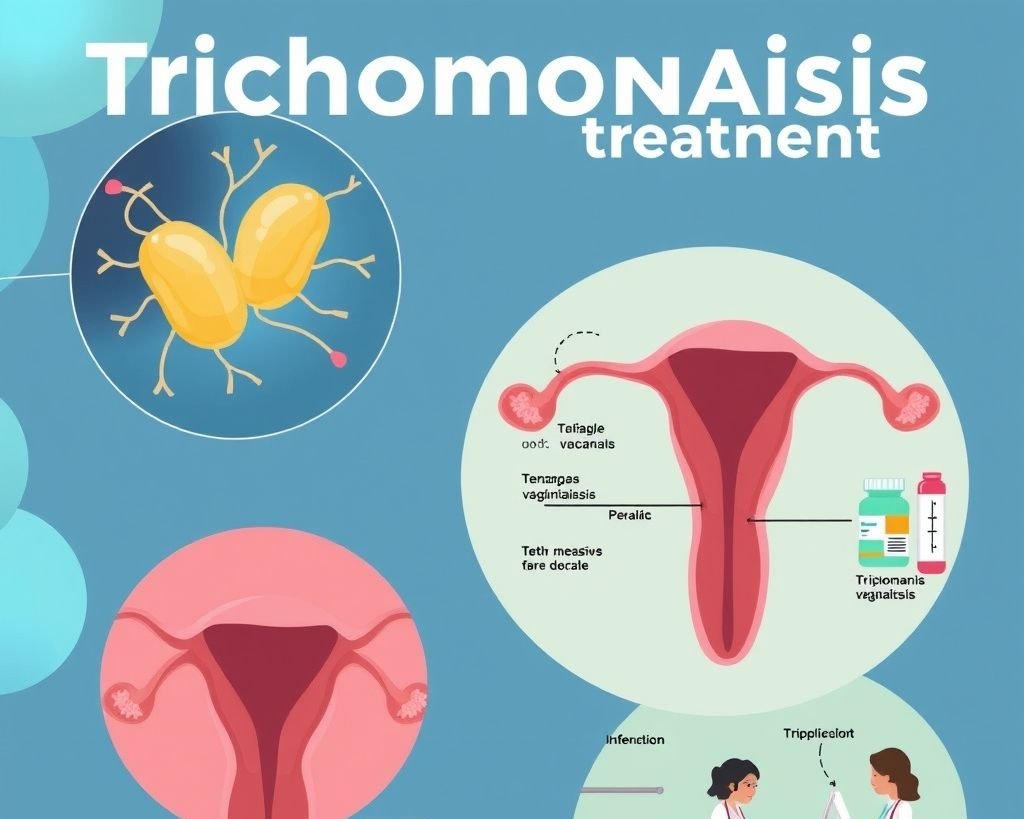
Trichomoniasis is a sexually transmitted infection, usually caused by the parasite Trichomonas vaginalis. This infection can cause bothersome symptoms for both women and men and can lead to serious health problems if left untreated.
Learning more about trichomoniasis infection is crucial for understanding the condition and initiating effective treatment. If you experience symptoms of this infection or believe you are at risk, you should consult a healthcare professional. In this article, we will examine the symptoms, causes, and treatment options for trichomoniasis infection in detail.
What is Trichomoniasis Infection and Its Symptoms?
Trichomoniasis is a sexually transmitted infection caused by a parasite called Trichomonas vaginalis . While this infection typically presents more pronounced symptoms in women , it can often be asymptomatic in men. Symptoms include vaginal discharge, itching, and a burning sensation during urination. Left untreated, trichomoniasis can have serious effects on sexual health, making early diagnosis and treatment crucial
Causes and Risk Factors of Trichomoniasis
The primary cause of trichomoniasis infection is sexual transmission of the Trichomonas vaginalis parasite. Additionally, certain risk factors can contribute to the spread of the infection. These risk factors include unprotected sex, multiple sexual partners, and a weakened immune system. Other potential causes of trichomoniasis infection are listed below:
- Unprotected sexual intercourse
- Multiple sexual partners
- Weak immune system
- Previous sexually transmitted diseases
Diagnostic Process of Trichomoniasis Infection
The diagnosis of trichomoniasis infection generally begins with symptoms and a clinical examination. A doctor assesses the presence of infection by taking a patient’s history and performing a physical examination. Laboratory tests also play a critical role in confirming the diagnosis. The table below lists the basic tests and methods used in the diagnosis of trichomoniasis infection:
| Test Method | Explanation |
|---|---|
| Urine Test | Detects the presence of Trichomonas vaginalis. |
| Vaginal Swab | Performs microscopic examination on vaginal samples. |
| Blood Test | Measures the immune response. |
Trichomoniasis Treatment Methods and Medications
Trichomoniasis treatment methods can vary depending on the severity of the infection and the patient’s overall health. Antibiotics such as metronidazole or tinidazole are typically used. These medications are prescribed to effectively eliminate the infection. Patients are advised to use protection during sexual intercourse and avoid sexual activity until treatment is completed. Here are the steps to follow in treating trichomoniasis:
- Doctor’s examination and tests.
- Initiation of antibiotic therapy.
- Evaluation of treatment effectiveness through control examination.
Ways to Prevent Trichomoniasis and Precautions
One of the most effective ways to protect against trichomoniasis is to practice safe sex . Using a condom during sexual intercourse significantly reduces the risk of infection. Furthermore, regular health checkups and informing your sexual partners are also important measures to prevent trichomoniasis infection. It’s important to remember that trichomoniasis prevention is crucial not only for individual health but also for public health.
Frequently Asked Questions About Trichomoniasis Infection
Frequently asked questions about trichomoniasis infection include its symptoms and treatment methods. Trichomoniasis typically presents with symptoms such as vaginal discharge , itching, and burning sensation during urination. Doctors often prescribe antibiotics during treatment, which can quickly control the infection. Understanding trichomoniasis infection is crucial for early diagnosis and treatment.
Information About Trichomoniasis Infection and Treatment
Trichomoniasis is a sexually transmitted infection, usually caused by the parasite Trichomonas vaginalis. Symptoms include vaginal discharge, itching, and a burning sensation during urination. Early diagnosis and treatment are crucial to prevent complications.
Antibiotics are usually used to treat trichomoniasis . Doctors recommend treating both the infected individual and their sexual partner to prevent the spread of the infection.
To protect yourself from this infection, it is important to practice safe sexual intercourse practices, have regular health checks, and inform your sexual partners.
Tip 1: Watch for Symptoms
If you notice symptoms such as vaginal discharge, itching, or burning during urination, contact a healthcare professional.
Tip 2: Inform Your Sexual Partner
Remember that when treating trichomoniasis infection, your sexual partner must also be treated.
Tip 3: Practice Safe Sex
Avoiding unprotected sex is one of the most effective ways to reduce the risk of infection.
- Trichomoniasis Infection
- Trichomonas, a sexually transmitted disease, is caused by the parasite Trichomonas vaginalis.
- This infection, which can be seen in both women and men, usually presents with disturbing symptoms.
- If not treated in time, it can lead to more serious health problems.
- Treatment
- Trichomoniasis infection is usually treated with antibiotic medications.
- Treatment recommended by a doctor ensures rapid healing of the infection.
- In addition to medication, it is important to treat sexual partners as well.
- Symptoms
- Common symptoms of trichomoniasis infection include vaginal itching, discharge, and burning during urination.
- In men, symptoms similar to a urinary tract infection may occur.
- Symptoms can vary from person to person, so caution is essential.
It is important to be informed about trichomoniasis infection and its treatment to understand the symptoms of this sexually transmitted disease and to initiate an effective treatment process.
| Title | Explanation | Importance |
|---|---|---|
| Trichomoniasis Infection | A sexually transmitted parasitic disease. | Preventing complications with early diagnosis and treatment. |
| Symptoms | Vaginal itching, discharge, burning during urination. | Being aware of the symptoms is important for timely intervention. |
| Treatment Methods | It is treated with antibiotic drugs. | With proper treatment, the infection heals quickly. |
| Risk Factors | Number of sexual partners, unprotected sexual intercourse. | Awareness is necessary to reduce risks. |
| Protection Methods | Condom use and regular testing. | They are effective methods for preventing infection. |
| Frequently Asked Questions | Common questions about trichomoniasis infection. | Being informed reduces anxiety and enables you to take the right steps. |
For Your Information: Trichomoniasis infection is one of the most common sexually transmitted infections worldwide. If left untreated, this infection can lead to serious health problems. It can be easily treated with antibiotics , and it’s important to also treat sexual partners.
*Early diagnosis and treatment play a critical role in preventing complications.*
Trichomoniasis is a sexually transmitted infection caused by the parasite Trichomonas vaginalis. This infection, which can affect both men and women, typically presents with symptoms such as vaginal itching, discharge, and burning during urination. If left untreated, it can lead to more serious health problems.
Trichomoniasis is usually treated with antibiotics. Treatment administered under a doctor’s recommendation helps speed up the infection’s recovery. It’s also important to treat sexual partners. Contraceptive methods include using condoms and regular health checkups.
Final Thoughts
Trichomoniasis is a serious sexually transmitted disease and requires prompt treatment. Early diagnosis and appropriate antibiotic therapy can easily control the infection. Regular checkups and the use of contraceptive methods are crucial for protecting sexual health. Awareness is the most effective way to prevent this infection.
What is trichomoniasis infection?
Trichomoniasis is a sexually transmitted disease caused by the parasite Trichomonas vaginalis. It can occur in both men and women.
What are the symptoms of trichomoniasis?
Common symptoms of trichomoniasis infection include vaginal itching, discharge, burning during urination, and discomfort during sexual intercourse.
How is trichomoniasis treated?
Trichomoniasis is usually treated with antibiotics. Treatment recommended by a doctor can help speed up the healing process.
