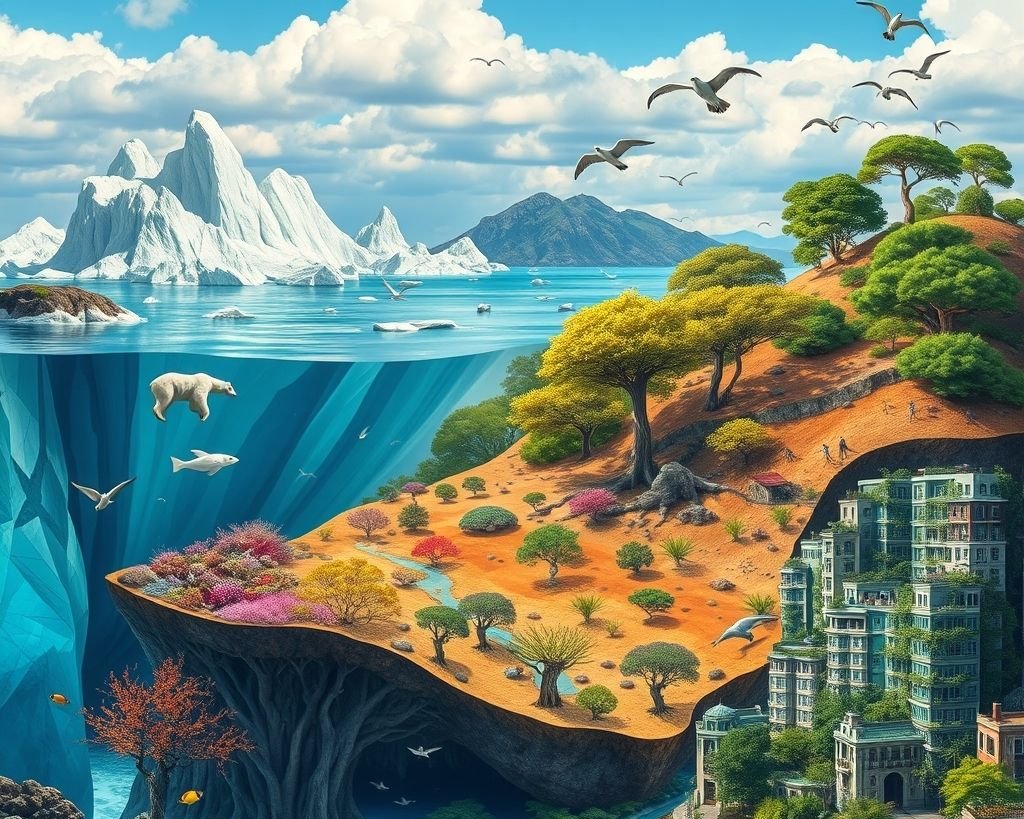
Climate change is one of the biggest environmental challenges we face today. These changes directly impact natural habitats and the survival of species, forcing adaptation processes for many species.
In this article, we’ll explore the impacts of climate change on species and how they are adapting to these challenges. Would you like to be a part of this important issue and learn what you can do to preserve the balance of nature? Let’s explore the steps we can take to combat climate change together.
Main Causes of Climate Change
The root causes of climate change include the overuse of fossil fuels and the destruction of forests . These factors increase greenhouse gas emissions into the atmosphere, accelerating global warming . Climate change affects climate systems worldwide, disrupting natural balances and threatening the health of various ecosystems.
What are the adaptation processes of species?
Adaptation processes in species are shaped by natural selection and genetic variation . These processes make species resilient to climate change and increase their chances of survival. Adaptation processes occur as follows:
- Physical changes appropriate to climatic conditions.
- Evolution of eating habits.
- Changes in reproductive cycles.
- Re-determination of migration routes.
The Relationship Between Natural Life and Climate Change
Wildlife is in direct interaction with climate change. Climate change disrupts the balance of ecosystems , threatening species’ habitats. In this process, many species are forced to develop adaptation skills. For example, some animals migrate to adapt to temperature changes , while plants strive to withstand challenges like drought. The table below illustrates the impacts of climate change on wildlife:
| Effect | Example |
|---|---|
| Migration | Swans migrate to warmer regions |
| Drought | Plants need less water |
| Reproductive Periods | Changes in the reproductive periods of animals |
Methods to Combat Climate Change
Combating climate change is of critical importance to both individuals and societies. The use of renewable energy sources and increased energy efficiency are at the forefront of this fight. Furthermore, environmentally friendly methods such as planting trees and protecting forests are also effective in combating climate change. The following methods can be implemented in this fight:
- Use of renewable energy sources
- Development of technologies to save energy
- Tree planting and forest protection
Strategies for Maintaining the Balance of Ecosystems
Ecosystem balance can be disrupted by threats such as climate change . Therefore, developing strategies to maintain ecosystem balance is crucial. Sustainable management techniques and projects involving local communities form the foundation of these strategies to protect ecosystems . These methods, by maintaining ecosystem health, also aid species’ adaptation processes.
The Impact of Climate Change on the Future
Climate change could significantly impact the structure and functioning of future ecosystems . These changes could strain species’ adaptability, leading to the extinction of some. The impacts of climate change can lead to reduced biodiversity and the loss of ecosystem services. Therefore, urgent measures are necessary to manage these processes and facilitate species’ adaptation.
Climate Change and Tips for Species Adaptation
Climate change is a significant threat to the survival of many species worldwide. In this process, species’ adaptability is critical to the health of ecosystems. Protecting natural habitats and adopting sustainable practices can help species become resilient to climate change.
To support species’ adaptation, it’s essential to increase biodiversity and protect natural habitats. Protecting native vegetation plays a crucial role in maintaining natural balance. Furthermore, fostering species resilient to climate change is crucial for the future of ecosystems.
Community-wide educational programs designed to combat climate change raise awareness and encourage individuals to become more active. Such programs help take necessary steps to protect nature.
Tip 1: Protect Biodiversity
Protecting natural habitats helps species become more resilient to climate change.
Tip 2: Support Native Plants
Protecting native vegetation plays a critical role in maintaining ecosystem balance.
Tip 3: Build Education and Awareness
Communities can raise awareness by organizing educational programs to combat climate change.
- Climate Change
- Long-term changes in natural climate patterns, resulting in differences in temperature, precipitation and weather conditions.
- Adaptation of Species
- The ability of living things to adapt to environmental changes occurs through genetic and behavioral changes.
- Ecosystem
- A natural system formed by the interactions between living organisms and the physical environment in which they live.
Climate change and species adaptation are vital to maintaining the balance of nature. We need to understand how species adapt to these changes.
| Title | Types of Adaptation | Explanation |
|---|---|---|
| Climate Change | Heat Tolerance | The ability of species to withstand rising temperatures. |
| Rainfall Irregularities | Adaptation to Water Resources | Species develop new strategies to meet their water needs. |
| Habitat Loss | New Living Spaces | Migration of species to new areas following habitat loss. |
| Food Chain Changes | Eating Habits | Species change their food sources with climate change. |
| Ecosystem Imbalance | Competition and Cooperation | Species develop strategies of competition and cooperation in response to changing conditions. |
| Genetic Diversity | Adaptation Potential | Genetic diversity increases the resilience of species to climate change. |
Did You Know? Climate change not only affects weather patterns but also challenges species’ survival strategies. Adaptation processes are critical for species to adapt to changing environmental conditions. These processes help maintain ecosystem balance by increasing genetic diversity.
*Protecting natural habitats is extremely important for maintaining the adaptive abilities of species.*
Climate change impacts species’ ability to survive, necessitating adaptation processes. Species possess the ability to adapt to changing environmental conditions through genetic diversity . These adaptations occur through strategies such as heat tolerance , adaptation to water resources, and the discovery of new habitats. Furthermore, in times of ecosystem imbalance , competition and cooperation between species increase their chances of survival.
Final Thoughts
Climate change is a significant environmental problem that requires species to adapt. To maintain the balance of nature, we need to understand how species adapt to these changes and develop conservation strategies. Every individual can contribute to the sustainability of ecosystems by playing their part in this process.
How does climate change affect species?
Climate change challenges adaptation processes by affecting species’ habitats and survival abilities through factors such as temperature, precipitation and habitat loss.
What does adaptation of species mean?
Adaptation is the ability of a species to adapt to environmental changes. This process occurs through genetic changes and behavioral strategies.
What can individuals do to combat climate change?
Individuals can combat climate change through steps such as saving energy, encouraging recycling, and participating in efforts to protect natural habitats.

